How to Prevent Separation Anxiety in Dogs: Building Confidence Before Problems Begin
How to Prevent Separation Anxiety in Dogs: Building Confidence Before Problems Begin
By Zero To Sit Dog Training | Palm Coast, Florida
One of the most common behavioral challenges dog owners face is separation anxiety. Dogs with separation anxiety may bark excessively, destroy furniture, scratch at doors, have accidents in the house, or become highly stressed whenever they're left alone.
The good news is that, in many cases, separation anxiety can be prevented by building confidence, independence, and healthy routines from the very beginning.
At Zero To Sit Dog Training, we believe prevention is always easier than rehabilitation. Whether you've just brought home a new puppy or adopted an adult dog, the habits you create during the first few weeks can make a tremendous difference in your dog's ability to stay calm when you're away.
What Is Separation Anxiety?
Separation anxiety occurs when a dog experiences excessive stress or panic after being separated from their owner.
This is much more than simply missing you. Dogs with true separation anxiety may become frantic and unable to settle until their owner returns.
Common signs include:
Excessive barking or whining
Scratching at doors or windows
Destructive chewing
Escaping crates or rooms
Drooling excessively
Pacing
Urinating or defecating indoors despite being housebroken
Constantly following their owner around the home
Fortunately, many of these problems can be avoided with proper training and structure.
1. Teach Independence From Day One
One of the biggest mistakes owners make is allowing their puppy or newly adopted dog to be with them every minute of the day.
While this feels loving, it can actually create dependence.
Instead, teach your dog that it's perfectly normal to spend time alone.
Allow your dog to:
Relax in their crate while you're home
Spend time in another room
Nap without constantly interacting with you
Learn that being alone is safe and temporary
Confident dogs understand they don't need to be attached to their owner every second.
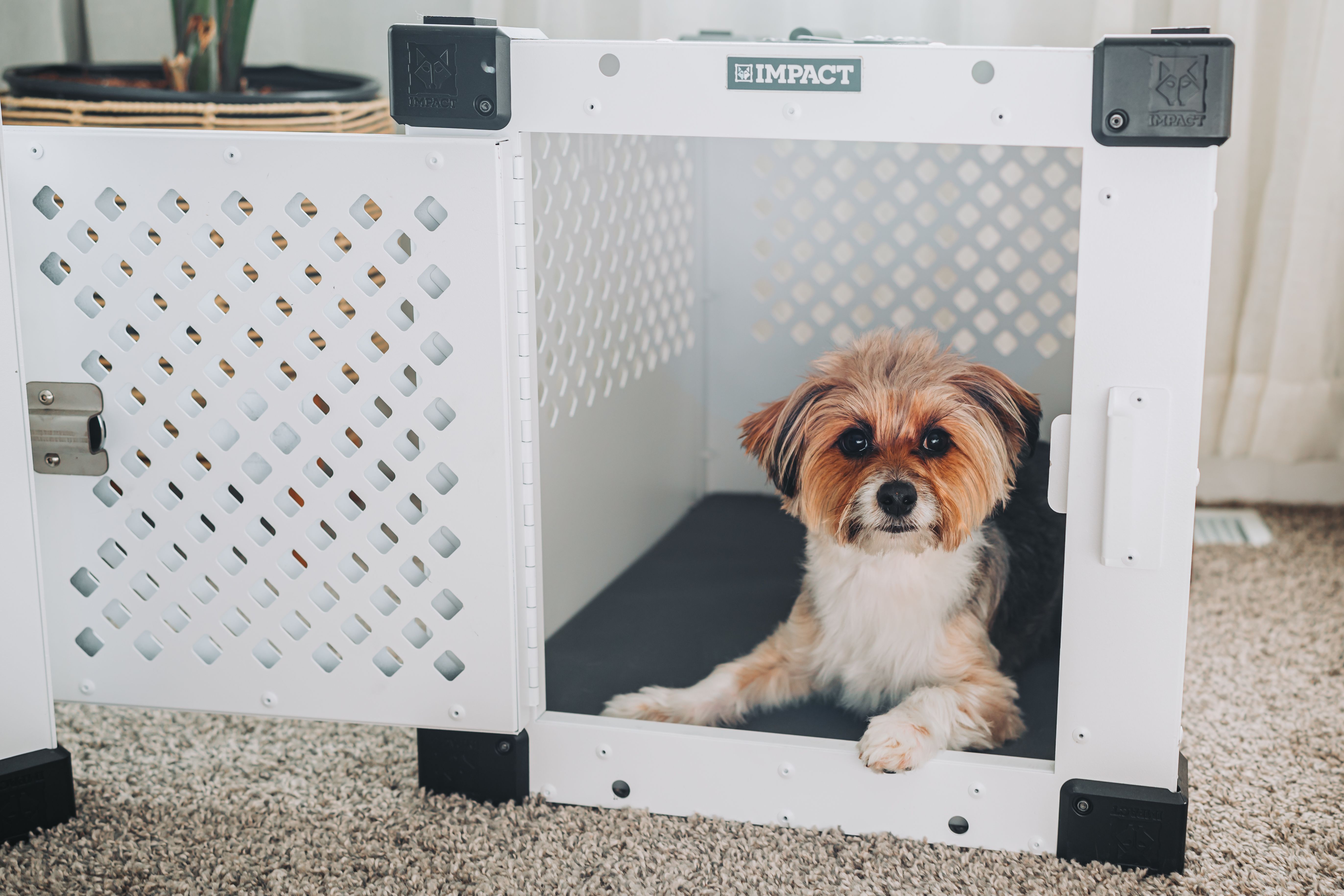
2. Make Crate Training Part of Everyday Life
A properly introduced crate becomes one of the best tools for preventing separation anxiety.
Rather than only using the crate when you leave the house, make it part of your daily routine.
Your dog should learn that the crate is simply a comfortable place to rest, not a signal that you're leaving.
When introduced correctly, many dogs willingly enter their crate because it has become their safe space.
3. Don't Make Departures a Big Event
Many owners unintentionally increase anxiety by creating emotional goodbyes.
Repeatedly saying goodbye, hugging your dog, or apologizing for leaving teaches your dog that something important is about to happen.
Instead:
Stay calm.
Leave without drama.
Make departures feel routine.
The calmer you are, the calmer your dog is likely to become.
4. Keep Greetings Calm
Returning home can be just as important as leaving.
While it's exciting to see your dog again, avoid reinforcing overexcitement.
Instead:
Walk inside calmly.
Put your belongings away.
Wait until your dog settles before giving attention.
Teaching calm greetings helps prevent emotional highs and lows throughout the day.
5. Give Your Dog Appropriate Exercise
A dog with excess physical and mental energy is more likely to struggle when left alone.
Daily exercise helps reduce stress and promotes relaxation.
Depending on your dog's age and breed, exercise may include:
Structured walks
Obedience training
Hiking
Playing fetch
Nose work
Swimming
Interactive games
A tired dog is often a calmer dog.
6. Teach Your Dog How to Relax
Many dogs never actually learn how to settle.
Instead, they're constantly entertained with toys, treats, attention, or activity.
One of the most valuable lessons you can teach is that it's okay to simply relax.
Using structured downtime, place training, and crate time helps dogs develop an "off switch."
Calmness is a skill that can be taught.
7. Avoid Rewarding Clingy Behavior
It's natural to enjoy a dog that follows you everywhere.
However, constantly encouraging this behavior can unintentionally create dependence.
Instead of rewarding every request for attention, teach your dog that sometimes it's okay to relax independently.
This doesn't mean ignoring your dog—it means helping them build confidence on their own.
8. Establish a Consistent Daily Routine
Dogs thrive on predictability.
Try to keep feeding, exercise, training, potty breaks, and rest on a relatively consistent schedule.
Routine reduces uncertainty and helps many dogs feel more secure throughout the day.
9. Practice Short Absences
Don't wait until you need to leave for several hours.
Practice leaving for:
One minute
Five minutes
Ten minutes
Thirty minutes
Gradually increasing time away helps many dogs learn that you always come back.
Small successes build confidence.
10. Start Obedience Training Early
Obedience training isn't just about teaching commands.
It builds confidence, improves communication, creates structure, and teaches dogs how to work through frustration appropriately.
Dogs that clearly understand expectations often handle new situations with greater confidence.
Training creates mentally stronger dogs.
A Balanced Approach to Preventing Separation Anxiety
At Zero To Sit Dog Training, we focus on creating confident, stable dogs through structure, leadership, and consistency.
Preventing separation anxiety isn't about making your dog emotionally dependent on constant treats or attention.
Instead, it's about teaching them valuable life skills:
Confidence
Independence
Patience
Relaxation
Trust
Clear expectations
When dogs understand the rules of their world, they tend to feel more secure—even when they're home alone.
Final Thoughts
Every dog will miss their owner from time to time.
That's perfectly normal.
The goal isn't to teach your dog not to love you.
The goal is to teach them that your absence isn't something to fear.
By building independence early, maintaining a consistent routine, and providing clear structure, you can greatly reduce the likelihood of separation anxiety developing in the first place.
Your dog will be happier, more confident, and better prepared to handle everyday life.
Need Help with Separation Anxiety?
If your dog already struggles with barking, destructive behavior, panic when left alone, or excessive attachment, professional guidance can make all the difference.
Zero To Sit Dog Training provides private, in-home dog training throughout St. Augustine, St. Johns County, Palm Coast, and surrounding Northeast Florida communities.
Schedule your free consultation today and let us help you build a calm, confident, and well-balanced dog.
