The Importance of Crate Training | Zero To Sit Dog Training
The Importance of Crate Training: Setting Your Dog Up for a Lifetime of Success
By Zero To Sit Dog Training | Northeast, Florida
When people hear the words crate training, they often picture a dog being confined or punished. In reality, when introduced correctly, a crate becomes one of the most valuable training tools you'll ever use. At Zero To Sit Dog Training, we believe crate training builds confidence, creates structure, speeds up housebreaking, and teaches dogs how to relax both at home and in new environments.
Whether you have a young puppy or an older rescue dog, proper crate training provides lifelong benefits for both you and your dog.
What Is Crate Training?
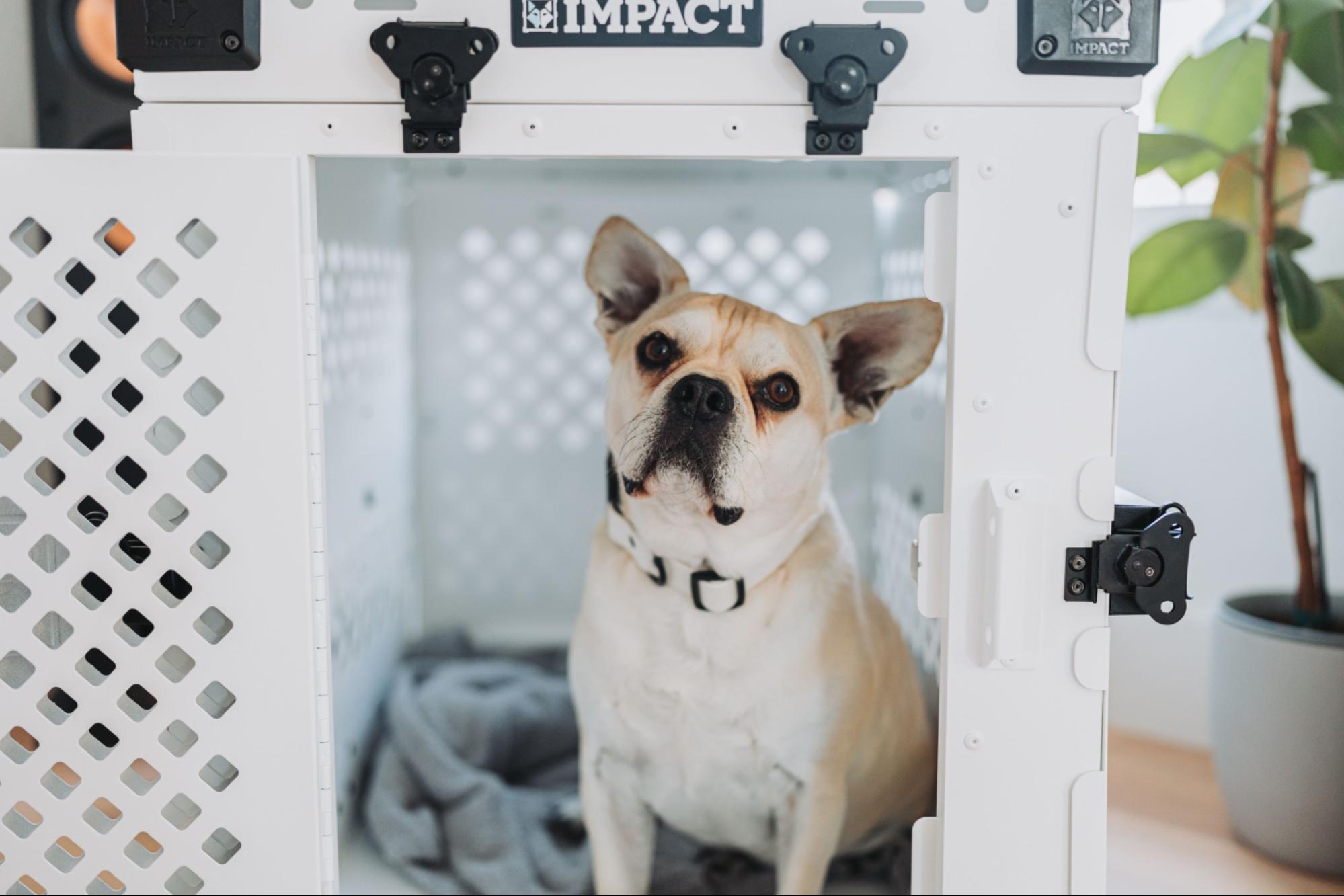
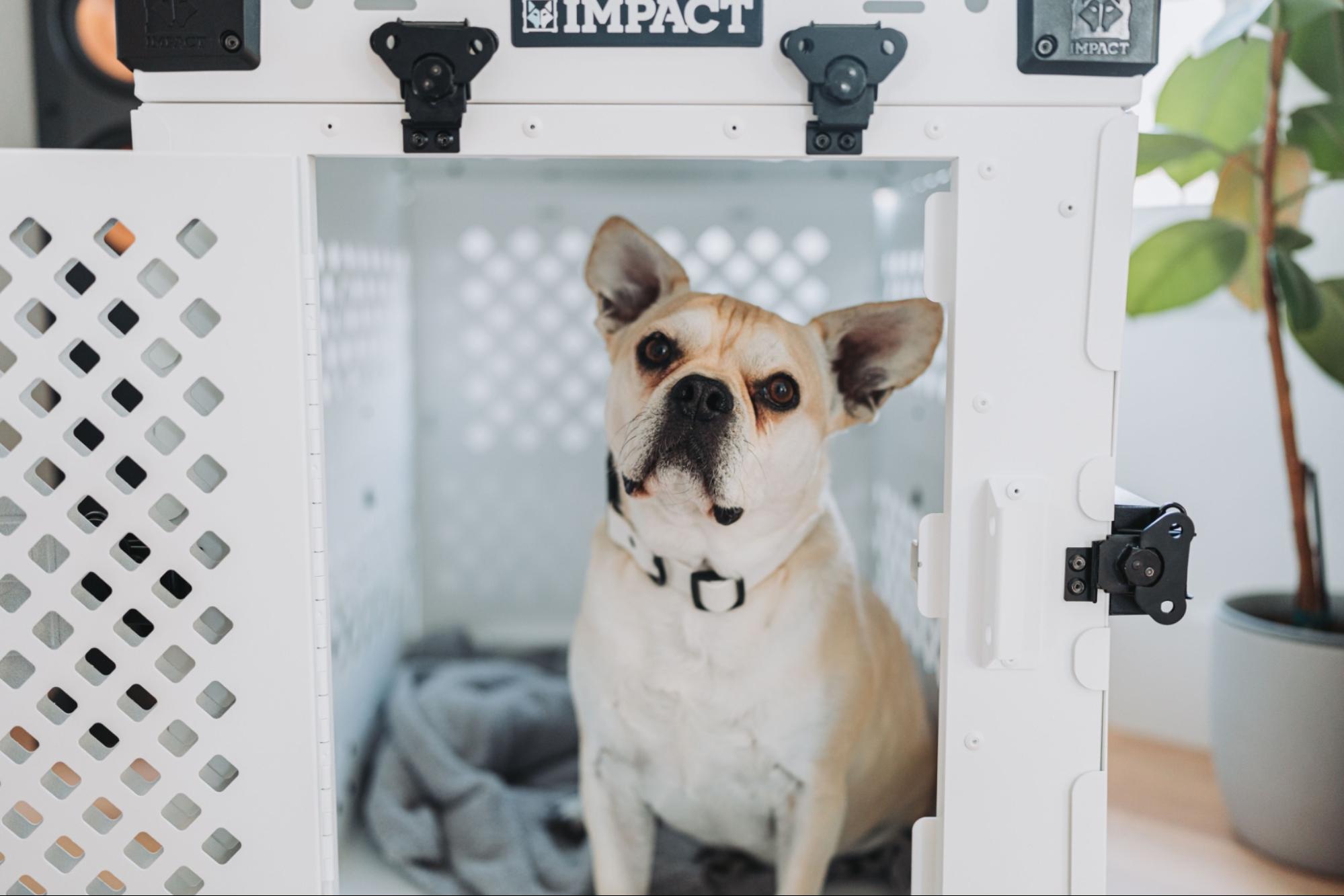
A crate should never be viewed as punishment. Instead, it becomes your dog's personal bedroom, a safe, quiet place where they can rest, relax, and feel secure.
Dogs naturally seek out den-like environments. When introduced properly, most dogs quickly learn to enjoy spending time in their crate because it provides consistency, security, and a place where they can truly unwind.
Why Crate Training Is So Important
1. Speeds Up Housebreaking
One of the biggest advantages of crate training is helping your dog learn where it's appropriate to go to the bathroom.
Dogs naturally avoid soiling the area where they sleep. By using the crate properly and following a consistent potty schedule, most puppies become housebroken much faster than dogs that are given unrestricted freedom throughout the home.
A successful housebreaking routine includes:
Regular potty breaks
Supervision whenever your puppy is outside the crate
Rewarding your dog for eliminating outside
Gradually increasing freedom as reliability improves
Consistency is the key to success.
2. Prevents Bad Habits Before They Start
Dogs become good at whatever they practice.
Unfortunately, if left unsupervised, many dogs begin practicing behaviors we don't want, including:
Chewing furniture
Destroying shoes
Counter surfing
Getting into the trash
Chasing the family cat
Barking excessively at windows
Eating dangerous household objects
Every time a dog rehearses these behaviors, they become stronger habits.
A crate prevents your dog from practicing unwanted behaviors while you're unable to supervise.
3. Teaches Your Dog How to Relax
Many owners unintentionally create dogs that never truly learn how to settle down.
Some dogs constantly follow their owners, pace around the house, or remain in a constant state of excitement.
One of the greatest benefits of crate training is teaching your dog an important life skill:
Learning how to simply relax.
Dogs don't automatically know how to switch "off." Calmness is something that can be taught through structure, consistency, and routine.
4. Makes Traveling Much Safer
If you travel with your dog, crate training is invaluable.
A crate helps your dog remain:
Safe during car rides
Comfortable in hotels
Relaxed while camping
Prepared for vacations
Easier to transport during emergencies
At Zero To Sit Dog Training, we strongly recommend investing in a high-quality travel kennel such as a RuffLand Kennel or another well-built roto-molded kennel designed to better protect your dog while traveling.
5. Helps During Boarding, Grooming, and Veterinary Visits
Throughout your dog's life, there will be times when they need to be kenneled.
Veterinary hospitals, boarding facilities, groomers, and emergency clinics commonly use kennels.
Dogs that are already comfortable resting inside a crate typically experience far less stress because confinement is something they already understand and accept.
6. Provides Safe Containment
There are many situations where safely containing your dog is simply the responsible choice.
Examples include:
Visitors coming to your home
Small children playing
Contractors working inside
Deliveries
Cleaning the house
Recovering from surgery
Managing an injury
Thunderstorms
Fireworks
Rather than becoming anxious, a properly crate-trained dog often chooses to relax because the crate has become their safe place.
Crate Training Puppies
For puppies, crate training is one of the most important foundations you can build.
Benefits include:
Faster housebreaking
Better sleep routines
Preventing destructive chewing
Building independence
Teaching patience
Creating structure from day one
Puppies thrive on routine, and a crate helps establish predictable daily habits that set them up for long-term success.
Crate Training Adult Dogs
Many people assume crates are only useful for puppies.
Nothing could be further from the truth.
Adult dogs can learn to enjoy their crate just as much as puppies.
For older dogs, crate training is especially valuable for:
Safe vehicle travel
Recovery after surgery
Managing injuries
Boarding
Veterinary visits
Preventing unwanted behavior while unsupervised
Providing a quiet retreat during stressful situations
It's never too late to teach a dog to feel comfortable in a crate.
Common Crate Training Mistakes
Many crate training challenges come from inconsistent expectations rather than the crate itself.
Avoid these common mistakes:
Using the crate as punishment
Letting your dog out while they're barking or demanding attention
Giving your dog too much freedom too soon
Leaving your dog in the crate for excessive periods
Skipping exercise and mental stimulation
Being inconsistent with your daily routine
Dogs thrive when expectations are clear and consistent.
Choosing the Right Crate
Not all crates are created equal, and choosing the right one can make a significant difference in your dog's safety and comfort.
At Zero To Sit Dog Training, we recommend solid-sided plastic or roto-molded kennels for both everyday use and travel. These styles provide a more secure, den-like environment and reduce the risk of injury for dogs that become anxious or attempt to escape.
We do not recommend wire crates. In our experience, dogs that panic or try to force their way out of a wire crate can injure themselves, including damaging or breaking teeth, bending wires, or cutting their mouths and paws. While not every dog will experience these issues, we believe a more secure kennel is the safer long-term choice.
For vehicle travel, we strongly recommend investing in a high-quality kennel such as a RuffLand Kennel or another well-built travel crate designed to help protect your dog during transport.
No matter which crate you choose, it should be large enough for your dog to:
Stand comfortably
Turn around easily
Lie down in a natural position
However, it should not be so large that your puppy consistently uses one end as a bathroom during the house-training process.
A Balanced Approach to Crate Training
At Zero To Sit Dog Training, we believe successful crate training comes from providing clear structure, consistency, and fair expectations.
Dogs thrive when they understand what is expected of them. A crate isn't about limiting freedom, it's about creating healthy routines, preventing unwanted behaviors, and giving your dog a safe place to relax.
When introduced correctly, most dogs come to view their crate as their own personal space rather than a place of confinement.
Final Thoughts
A properly crate-trained dog is typically calmer, safer, and more confident.
Whether you're raising a new puppy or welcoming an older dog into your home, crate training builds the foundation for better behavior and a stronger relationship between you and your dog.
With patience, consistency, and proper guidance, your dog's crate can become one of the most valuable tools you use throughout their life.
Need Help Crate Training Your Dog?
If you're struggling with housebreaking, destructive behavior, separation issues, or simply want to give your dog the best possible start, we're here to help.
Zero To Sit Dog Training offers professional private, in-home dog training throughout Palm Coast, St Augustine, Ormond-by-the Sea, and surrounding Northeast Florida communities.
Contact us today to schedule your free consultation and discover how our approach can help you build a calm, confident, and obedient dog.